
2 November 2026
Feeling beautiful and well during treatment
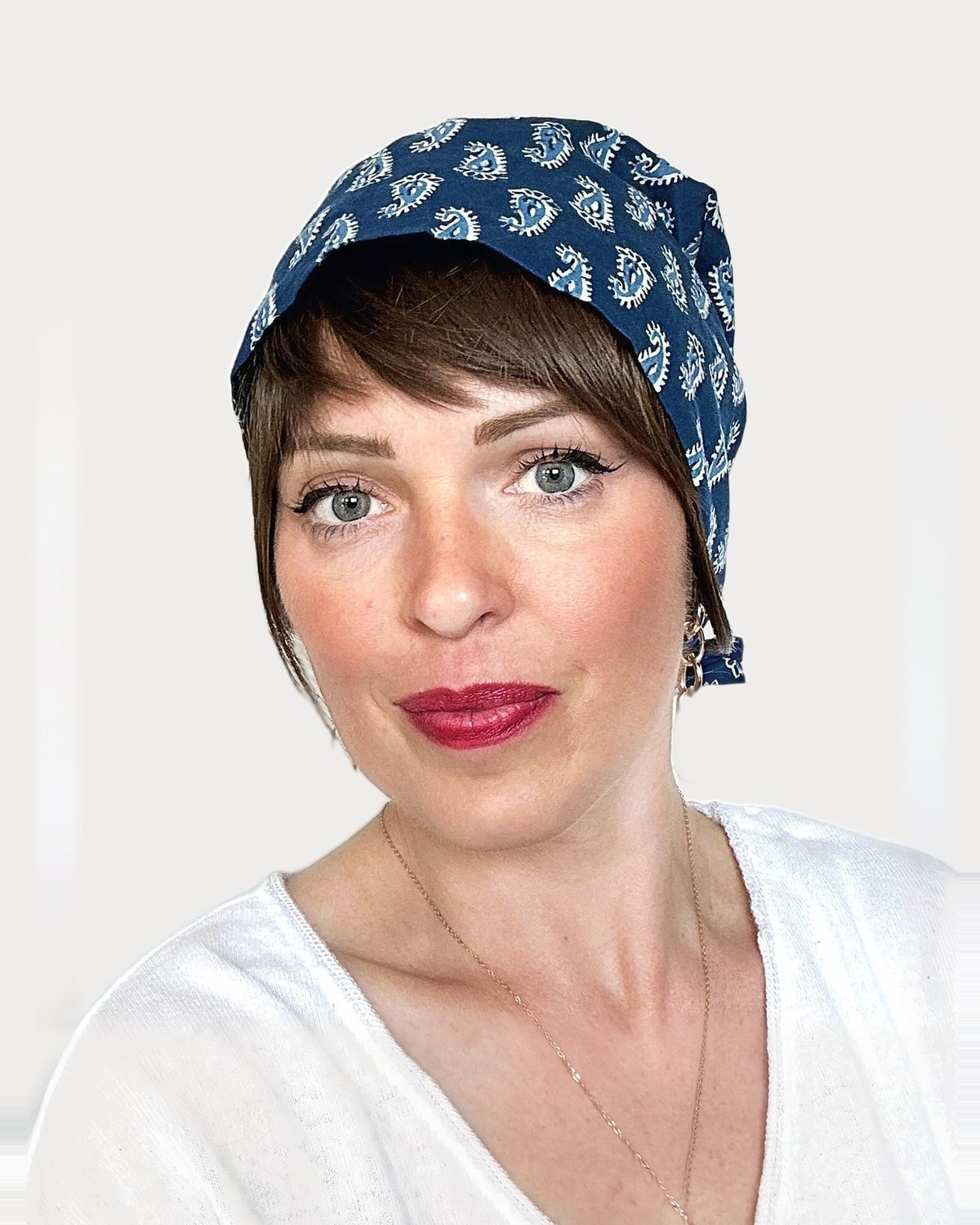
Wanting to feel beautiful during treatment is not frivolous. Losing your hair, a change in your complexion, a body that is changing all touch your self-image, your social life and sometimes your return to work. Taking care of yourself is part of the journey.
What you feel is legitimate
For many women, losing their hair is a trial in its own right. Some describe it as even harder than other consequences of the illness. There is no right way to react. You are allowed to suffer from it, to laugh about it, or not to want to talk about it.
If it weighs on your spirits, tell your care team. A psychologist can support you, and talking with other women who have been through it often helps.
Beauty care, real supportive care
Beauty and well-being care is recognised as supportive care, meaning care that accompanies treatment. In some hospitals and charities, socio-aestheticians offer facials, massages or make-up advice.
Ask your hospital or the Ligue contre le cancer (French cancer charity) to find out about workshops near you.
You choose, and you can change your mind
Wig, hair crown, fringe, turban, scarf, bare head: you can alternate depending on the situation and what you feel like. Some women do not recognise themselves in a wig, even a very good one. Others never take theirs off. Only trying will tell you what suits you.
Comfort above all
You feel better when nothing itches, pinches or slips.
- Choose soft materials against your scalp, such as cotton.
- Avoid scarves that slip, such as silk, and choose cotton, linen or Lycra instead.
- At night, choose a small cotton or terry cap if you do not want to stay bare-headed.
- Moisturise your scalp with a cream or a dry oil, and protect it from the sun and the cold.
- In summer, a cotton turban or scarf will often be more pleasant than a wig.
Finding your face again
The face can change too: complexion, dark circles, eyelashes and eyebrows. A little make-up helps you look healthy again. Tutorials and workshops exist to learn how to redraw your eyebrows, and the Institut national du cancer (French National Cancer Institute) offers dedicated advice.
At your own pace
Some days you will want to get dressed up. Other days, not. Both are fine. And other people's eyes matter less than your own: the aim is not to hide the illness at all costs, but to feel like yourself.
That is the whole meaning of Bikiwig, created by Sylvie after her own breast cancer. Discover our story.
Sources
- Institut national du cancer (French National Cancer Institute): advice on managing and adapting to hair loss
- Institut national du cancer: hair accessories
- AFSOS: guidelines on alopecia
This article gives general information. It does not replace the advice of your doctor or care team.